


智能摘要 AI
本文介绍了如何通过逆向分析必应翻译接口,获取其API参数并实现翻译功能。作者发现必应翻译会保留HTML字符,但效果不如谷歌翻译。通过分析目标URL和请求参数,提取了表单和查询字符串中的关键参数,如`token`、`key`和`IG`,并提供了Python代码实现翻译功能。最终成功调用API并获取翻译结果。
0x00 前言
最近在做翻译接口的时候,偶然间发现必应翻译是会保留HTML字符进行翻译,但是效果还是不如谷歌翻译来的好,就算一个备用API接口吧
0x01 逆向
目标URL:https://www.bing.com/translator?setmkt=zh-cn&setlang=zh-cn
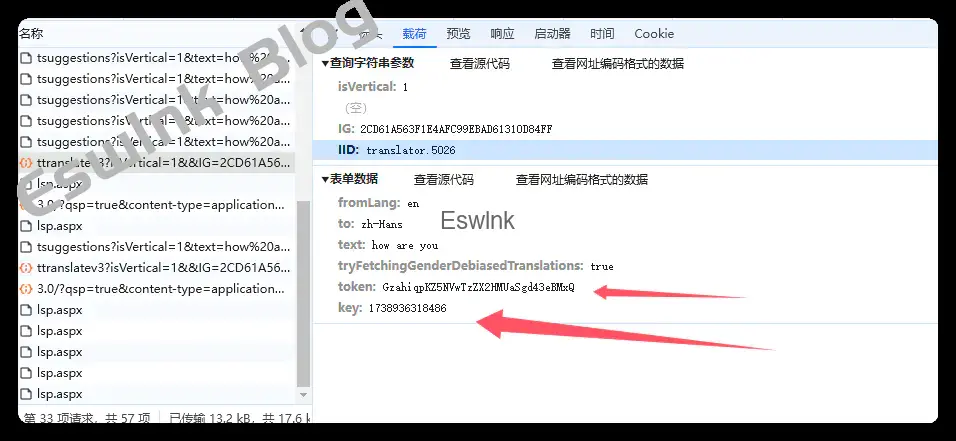
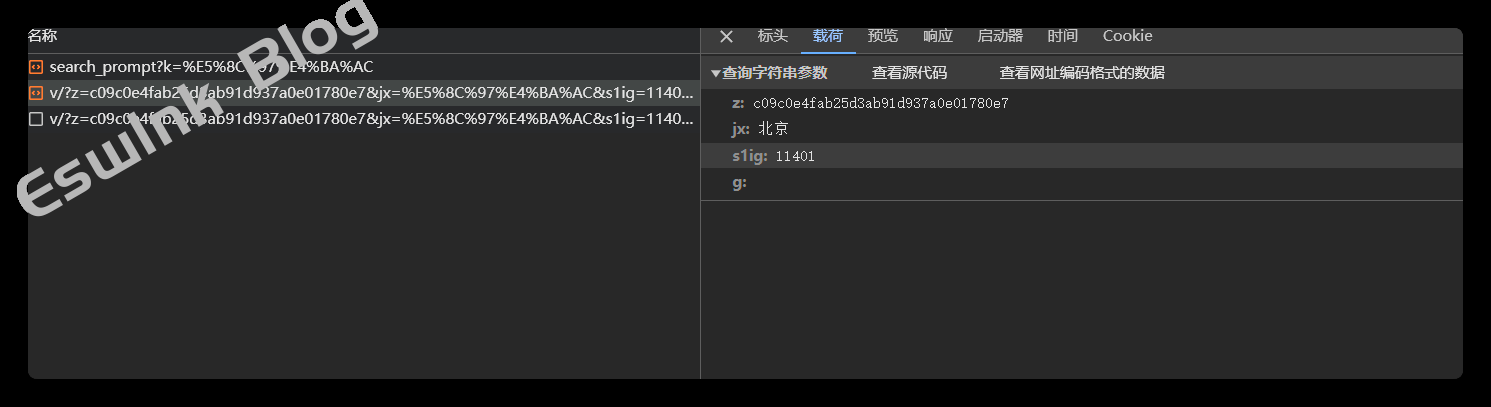
相关API接口所需参数如图所示,表单参数如下:
- fromLang: en
- to: zh-Hans
- text: how are you
- tryFetchingGenderDebiasedTranslations: true
- token: GzahiqpKZ5NVwTzZX2HMUaSgd43eBMxQ
- key: 1738936318486
查询字符串参数如下:
- isVertical: 1
- IG: 2CD61A563F1E4AFC99EBAD61310D84FF
- IID: translator.5026
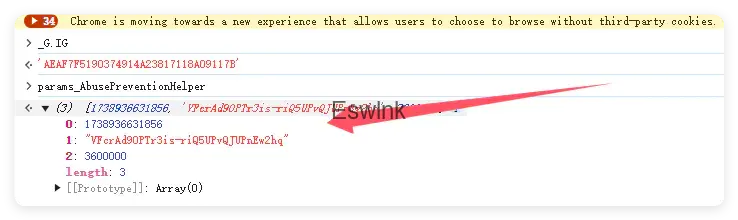
IG为一个随机的MD5值,作为全局变量存储:_G.IG,如图所示
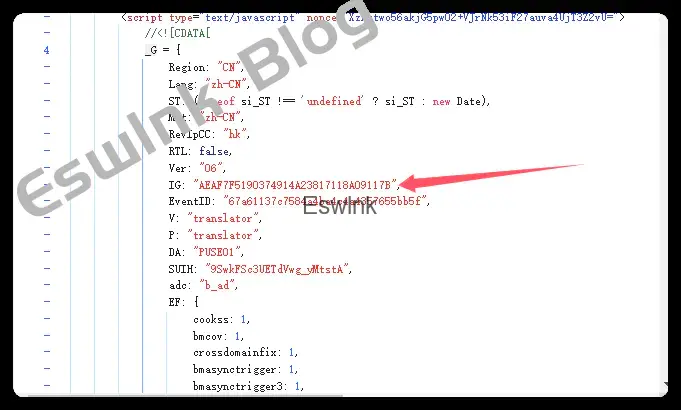
每次都会变动,与13位的时间戳绑定相关,如下图所示:
0x02 相关代码
很好,所有内容可以明文获取,也不藏着捏着,直接给出相关的Python代码:
import re

import requests

def get_bing_translation(token, key, IG, text, from_lang='en', to_lang='zh-Hans'):
    # 构建POST请求的payload,确保URL编码
    payload = f"fromLang={from_lang}&to={to_lang}&text={requests.utils.quote(text)}&tryFetchingGenderDebiasedTranslations=true&token={token}&key={key}"

    # 构建请求头部
    headers = {
        'User-Agent': 'Apifox/1.0.0 (https://apifox.com)',
        'Accept': '*/*',
        'Host': 'www.bing.com',
        'Connection': 'keep-alive',
        'Content-Type': 'application/x-www-form-urlencoded',
    }

    # 发送POST请求
    url = f"https://www.bing.com/ttranslatev3?isVertical=1&IG={IG}&IID=translator.5026"
    response = requests.post(url, headers=headers, data=payload)

    # 判断请求是否成功
    if response.status_code == 200:
        result = response.json()
        return result
    else:
        return f"Error: {response.status_code}"

def extract_bing_translation_params():
    # 发送GET请求获取网页内容
    url = "https://www.bing.com/translator?mkt=zh-CN"
    response = requests.get(url)

    # 检查请求是否成功
    if response.status_code != 200:
        return f"Error: Unable to access {url}"

    # 查找并提取 params_AbusePreventionHelper 数组
    key_pattern = re.compile(r'params_AbusePreventionHelper\s*=\s*\[([^\]]+)\]')
    key_match = key_pattern.search(response.text)

    if not key_match:
        return "Error: Unable to find params_AbusePreventionHelper"

    # 提取并解析数组
    params_str = key_match.group(1)
    params_list = [item.strip().strip('"') if '"' in item else int(item) for item in params_str.split(',')]

    # 查找并提取 IG 参数
    ig_pattern = re.compile(r'IG:"([^"]+)"')  # 强制匹配大小写的32个字符
    ig_match = ig_pattern.search(response.text)

    if not ig_match:
        return "Error: Unable to find IG parameter"

    # 提取并返回所需的参数
    token = params_list[1]
    key = params_list[0]
    ig = ig_match.group(1)

    return token, key, ig


# 示例URL

params = extract_bing_translation_params()

# 输出结果
if isinstance(params, tuple):  # 确保返回的是有效的元组

    # 翻译内容
    text = "how are you?"

    # 获取翻译
    translation_result = get_bing_translation(params[0], params[1], params[2], text)

    print(translation_result[0]['translations'][0]['text'])

    print("Extracted Parameters:")
    print(f"Token: {params[0]}")
    print(f"Key: {params[1]}")
    print(f"IG: {params[2]}")
else:
    print(params)  # 打印错误信息

收工!


评论 (0)